QR Codes in Marketing: 10 Creative Use Cases for 2026
 Anna Novak
QR codes in marketing have evolved from a novelty into a powerful bridge between physical and digital experiences. What was once considered outdated technology has experienced a remarkable resurgence, driven by smartphone camera improvements and changing consumer behavior. In 2026, marketers who ignore QR codes miss valuable opportunities to track offline campaigns, engage customers instantly, and create seamless omnichannel experiences.
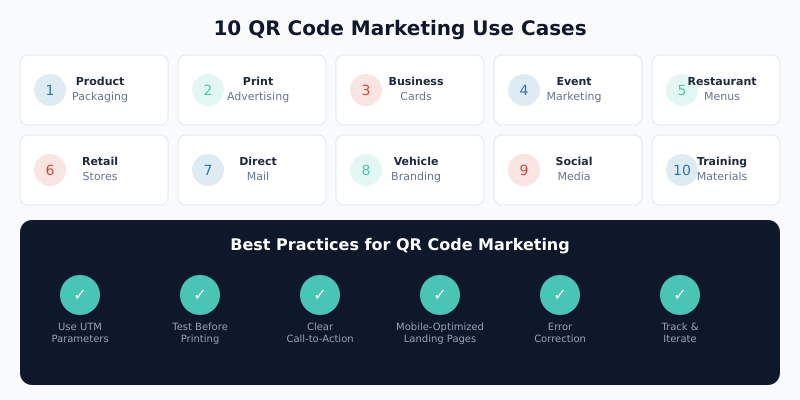
This guide explores ten creative ways to use QR codes in your marketing strategy. Each use case includes practical implementation tips, tracking recommendations, and real-world examples. Whether you’re running print campaigns, hosting events, or optimizing product packaging, you’ll find actionable ideas to integrate QR codes effectively.
Why QR Codes Matter for Marketers in 2026
Before diving into specific use cases, it’s worth understanding why QR codes have become essential marketing tools. Several factors contribute to their renewed relevance.
First, smartphone adoption is nearly universal in developed markets. Consequently, scanning a QR code requires no special app — the default camera handles it seamlessly. Second, the COVID-19 pandemic accelerated contactless interactions, making QR codes familiar to demographics that previously avoided them. Third, and most importantly for marketers, QR codes provide measurable touchpoints for offline campaigns.
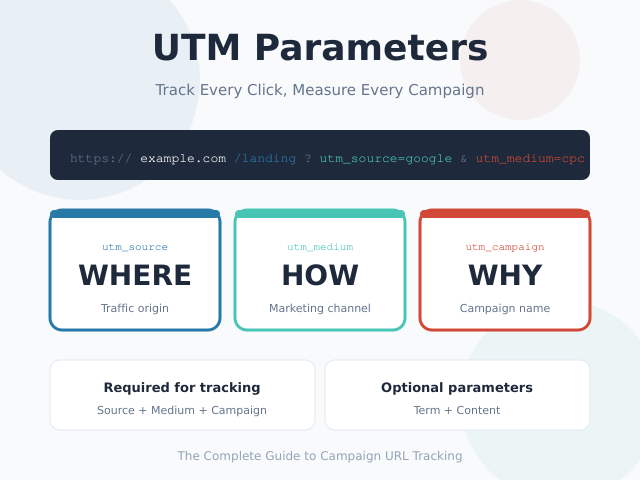
Unlike traditional print advertising, QR codes allow you to track scans, measure engagement, and attribute conversions. When combined with UTM parameters, they transform static billboards and brochures into trackable marketing assets. This measurability alone makes them invaluable for data-driven marketing teams.
1. Product Packaging: Extended Content and Authentication
Product packaging offers limited real estate for information. However, a strategically placed QR code expands this space infinitely. Brands use packaging QR codes to deliver content that wouldn’t fit on a label.
Implementation Ideas
- Usage tutorials: Link to video demonstrations showing product assembly or application techniques
- Ingredient sourcing: Share supply chain transparency information for conscious consumers
- Recipe suggestions: Food brands link to recipes featuring their products
- Authentication verification: Luxury goods use unique QR codes to confirm authenticity
- Warranty registration: Simplify the registration process with pre-filled forms
Tracking Best Practices
For packaging QR codes, create campaign-specific UTM parameters. For example, use utm_source=packaging, utm_medium=qr, and utm_campaign=product-name. This structure allows you to measure which products drive the most engagement. Additionally, consider using unique codes per batch or region to analyze geographic patterns.
2. Print Advertising: Bridging Offline and Online
Print advertising — magazines, newspapers, billboards, and flyers — traditionally lacked measurability. QR codes solve this problem elegantly. Instead of hoping readers remember a URL, you provide instant access to your landing page.
Creative Applications
Magazine ads benefit significantly from QR code integration. Rather than displaying a long URL, a clean QR code leads readers directly to a product page, special offer, or interactive experience. Billboards present another opportunity, particularly in high-traffic areas where pedestrians have time to scan.
For instance, a real estate company might place QR codes on “For Sale” signs. Interested buyers scan immediately to view property details, schedule viewings, or access virtual tours. This approach captures leads at the moment of peak interest.
Design Considerations
When designing print materials with QR codes, ensure sufficient contrast between the code and background. Moreover, include a clear call-to-action explaining what happens after scanning. Phrases like “Scan for 20% off” or “Scan to watch the demo” set expectations and increase scan rates. The minimum recommended size is 2 cm × 2 cm for close-range scanning, though larger codes work better for billboards viewed from a distance.
3. Business Cards: Digital Contact Sharing
Traditional business cards often end up forgotten in desk drawers. A QR code transforms this static piece of paper into a dynamic digital touchpoint. When scanned, it can trigger various actions that enhance networking effectiveness.
What to Link
- vCard download: Automatically add your contact information to the scanner’s phone
- LinkedIn profile: Encourage professional connections instantly
- Portfolio or website: Showcase your work beyond what fits on a card
- Calendly link: Let prospects book meetings immediately
- Custom landing page: Create a personal page with all relevant links
For marketers specifically, linking to a personal landing page with tracking enables you to measure which networking events generate the most valuable connections. Subsequently, this data informs decisions about future event attendance.
4. Event Marketing: Registration and Engagement
Events — conferences, trade shows, workshops, and concerts — present numerous QR code opportunities. From registration to post-event follow-up, these codes streamline attendee experiences while capturing valuable data.
Pre-Event Applications
Promotional materials for events benefit from QR codes linking to registration pages. Posters, flyers, and social media graphics can all include scannable codes. This approach reduces friction compared to typing URLs manually. Furthermore, you can track which promotional channels drive the most registrations.
During the Event
At the event itself, QR codes serve multiple purposes. Speakers can display codes linking to presentation slides or additional resources. Exhibitors use them to capture leads efficiently — attendees scan rather than filling out paper forms. Session feedback becomes simpler when attendees scan a code to access a quick survey.
Post-Event Engagement
Following the event, QR codes on printed materials (handouts, certificates, swag) can link to exclusive content, community platforms, or upcoming event announcements. This extends the relationship beyond the event itself.
5. Restaurant and Hospitality: Menus and Services
The hospitality industry embraced QR codes enthusiastically during the pandemic, and the practice persists for good reasons. Digital menus reduce printing costs, enable real-time updates, and provide opportunities for upselling.
Beyond Basic Menus
While menu access is the obvious application, hospitality businesses can do more with QR codes:
- Allergen information: Detailed ingredient lists accessible on demand
- Wine pairing suggestions: Educational content enhancing the dining experience
- Loyalty program signup: Capture customer data for remarketing
- Review requests: Link directly to Google Reviews or TripAdvisor
- Wi-Fi access: Eliminate the need to ask staff for passwords
Hotels extend this concept to room service, spa bookings, local recommendations, and checkout processes. Each touchpoint becomes an opportunity for engagement and data collection.
6. Retail Stores: In-Store Digital Experience
Physical retail stores compete with e-commerce by offering experiences that online shopping cannot match. QR codes enhance these experiences while capturing data typically available only online.
Implementation Strategies
Product displays featuring QR codes can link to customer reviews, comparison guides, or demonstration videos. A customer uncertain about a purchase can scan for additional information without flagging down a sales associate. This self-service approach appeals to many shoppers.
Pricing and promotions also benefit from QR integration. Codes next to products might reveal exclusive in-store discounts, encouraging immediate purchase decisions. Alternatively, they could show online reviews to build confidence in the buying decision.
Inventory and Sizing
Fashion retailers use QR codes to check inventory across locations or online. If a desired size isn’t available in-store, the customer scans and orders immediately for home delivery. This prevents lost sales while providing valuable stock-out data to merchandising teams.
7. Direct Mail: Personalized Digital Connections
Direct mail might seem old-fashioned, but it remains effective — particularly when enhanced with QR codes. The tactile nature of mail commands attention, and QR codes convert that attention into measurable digital engagement.
Personalization Opportunities
Advanced direct mail campaigns use variable data printing to create unique QR codes for each recipient. When scanned, the destination page can be personalized based on customer data. For example, a loyalty member receives a personalized offer page showing their points balance and relevant product recommendations.
This level of personalization was previously possible only in email marketing. Now, direct mail achieves similar relevance while benefiting from higher open rates than email.
Tracking Individual Recipients
Unique QR codes per recipient enable precise attribution. You know exactly which customers engaged with your mailer, how long they spent on the landing page, and whether they converted. This data transforms direct mail from a broad reach channel into a precision marketing tool.
8. Vehicle and Fleet Branding: Mobile Billboards
Company vehicles function as mobile billboards, but traditionally offered no way to capture interest. QR codes change this dynamic. A code on a delivery van or service vehicle lets interested observers learn more immediately.
Practical Considerations
Vehicle QR codes work best in situations where the vehicle is stationary — parked delivery trucks, service vehicles at job sites, or cars in parking lots. Moving vehicles don’t provide sufficient scanning opportunities. Therefore, place codes where they’ll be visible during stationary periods.
The landing page should be mobile-optimized (since all scans will come from phones) and focused on lead capture. Contact forms, phone click-to-call buttons, and simple service request options work well. Keep the experience fast and friction-free.
Fleet Tracking Applications
Using unique codes per vehicle allows interesting analysis. Which routes or service areas generate the most scans? Are certain vehicle types (wrapped vans vs. magnetic signs) more effective? This data informs fleet branding decisions and geographic targeting.
9. Social Media Integration: Offline to Online Followers
Building social media following through offline channels presents challenges. Telling someone to “follow us on Instagram” requires them to remember, search, and find the correct profile. QR codes eliminate these steps.
Profile Linking Strategies
Each social platform offers direct profile links that work well with QR codes. Instagram profiles, LinkedIn company pages, YouTube channels, and TikTok accounts can all be accessed instantly via scan. For businesses active on multiple platforms, a link-in-bio style landing page works better than choosing a single platform.
Exclusive Content Incentives
To increase scan rates, offer something exclusive to scanners. “Scan to follow and get exclusive behind-the-scenes content” provides clear value. Alternatively, “Scan for a chance to win” leverages contest mechanics. Without an incentive, scan rates from social-focused QR codes tend to be lower than transactional codes.
10. Educational and Training Materials: Interactive Learning
Educational content — whether corporate training, academic materials, or how-to guides — benefits significantly from QR code integration. Static printed materials gain interactive depth through linked digital resources.
Training Applications
Employee training manuals with QR codes link to video demonstrations, interactive quizzes, or updated policy documents. This hybrid approach combines the reliability of print with the flexibility of digital. When procedures change, update the linked content without reprinting materials.
Academic and Publishing Uses
Textbooks and educational publications use QR codes to provide supplementary materials — video lectures, datasets, interactive simulations, or additional readings. Students access extended learning opportunities while publishers track engagement with different resources.
For marketing teams specifically, training materials about brand guidelines, campaign procedures, or tool usage become more engaging with linked video walkthroughs and interactive examples.
Best Practices for QR Code Marketing Campaigns
Regardless of the specific use case, certain principles apply to all QR code marketing initiatives. Following these best practices ensures your campaigns perform optimally.
Always Use UTM Parameters
Every QR code URL should include UTM parameters for tracking. At minimum, include source, medium, and campaign. For more granular analysis, add content and term parameters to differentiate variations. Our UTM Builder simplifies this process by generating properly formatted URLs instantly.
Test Before Printing
Before committing to print production, test QR codes on multiple devices and in various lighting conditions. What works perfectly in your office might fail in a dimly lit trade show booth. Additionally, test the landing page experience on mobile devices — every scan comes from a smartphone.
Provide Clear Calls-to-Action
A QR code without context generates fewer scans than one with a compelling reason to scan. Always include text explaining the benefit: “Scan for exclusive discount,” “Scan to watch demo,” or “Scan to download free guide.” This simple addition significantly impacts scan rates.
Optimize Landing Pages for Mobile
Since all QR scans originate from mobile devices, your destination must be mobile-optimized. Slow-loading pages, desktop-focused layouts, or difficult navigation will frustrate users. Test page speed using Google PageSpeed Insights and user experience thoroughly on various devices.
Consider Error Correction Levels
QR codes include error correction that allows scanning even when partially obscured or damaged. Higher error correction levels create denser codes but survive more damage. For outdoor applications or materials subject to wear, choose higher error correction when generating your codes.
Track and Iterate
Like any marketing tactic, QR code campaigns require ongoing optimization. Monitor scan rates, landing page engagement, and conversion metrics. Test different placements, calls-to-action, and incentives. Use the data to continuously improve performance.
Creating Your QR Codes
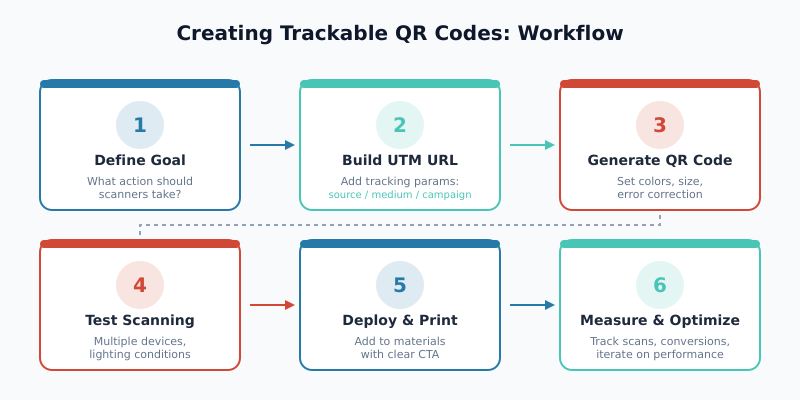
Implementing these use cases requires generating QR codes with appropriate settings. Our QR Code Generator allows you to create custom codes with your brand colors, various sizes for different applications, and multiple error correction levels. You can download codes as PNG for digital use or SVG for print production.
For trackable campaigns, first create your UTM-tagged URL using our UTM Builder, then generate a QR code for that URL. This workflow ensures every scan is tracked in your analytics platform.
Measuring QR Code Campaign Success
Successful QR code marketing requires proper measurement. Establish key performance indicators before launching campaigns and track them consistently.
Primary Metrics
| Metric | What It Measures | Why It Matters |
|---|---|---|
| Scan rate | Scans ÷ impressions (estimated) | Indicates code visibility and CTA effectiveness |
| Unique scans | Individual users who scanned | Measures reach vs. repeat engagement |
| Landing page bounce rate | Single-page sessions | Indicates content relevance to scanner expectations |
| Conversion rate | Desired actions ÷ scans | Measures campaign effectiveness |
| Time on page | Engagement duration | Shows content quality and interest level |
Attribution Considerations
QR codes often represent mid-funnel touchpoints rather than final conversion drivers. A user might scan a code, explore your site, and convert days later through a different channel. Ensure your attribution model accounts for these assisted conversions rather than only crediting last-click interactions.
Common QR Code Marketing Mistakes
Learning from common mistakes helps you avoid pitfalls that undermine campaign performance.
Mistakes to Avoid
- Linking to non-mobile-optimized pages: Every scan comes from a phone; the experience must match
- Using QR codes without tracking: Without UTM parameters, you cannot measure success
- Placing codes where scanning is impractical: Moving vehicles, high-speed transit ads, or tiny sizes fail
- Omitting calls-to-action: Unexplained codes generate curiosity scans at best
- Creating codes with insufficient contrast: Low contrast between code and background prevents scanning
- Linking to temporary content: Printed materials persist; ensure linked content remains available
- Forgetting to test: Always verify scannability before printing thousands of copies
Bottom Line
QR codes in marketing have matured from gimmick to essential tool. They bridge physical and digital experiences, enable offline campaign tracking, and create seamless customer journeys. The ten use cases explored here — from product packaging to educational materials — demonstrate the versatility of this technology.
Success requires thoughtful implementation: clear calls-to-action, mobile-optimized destinations, proper tracking with UTM parameters, and ongoing measurement. When executed well, QR codes provide measurable touchpoints that transform traditionally untrackable offline marketing into data-rich campaigns.
Ready to implement QR codes in your marketing? Start by creating trackable URLs with our UTM Builder, then generate custom codes using our QR Code Generator. Both tools are free, require no signup, and produce results instantly.